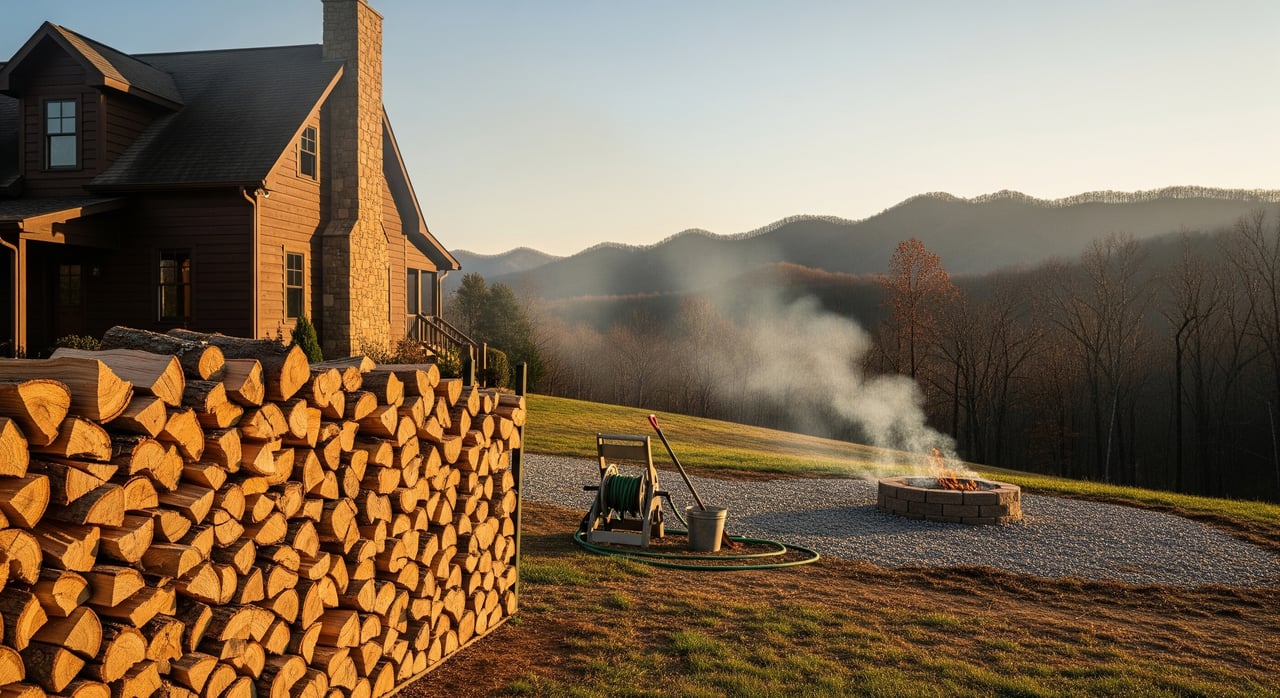
If you live on Stokes acreage in Burningtown, you probably rely on wood heat and need to clear brush a few times a year. Both are part of mountain living, but they come with rules, risks, and responsibilities. You want to keep your home warm, your neighbors happy, and your land safe without getting on the wrong side of local regulations.
This guide walks you through safe wood-stove use, legal brush burning, seasonal cautions in the western North Carolina mountains, and a practical checklist you can follow every time. You will also find links to the right agencies so you can confirm permits and current restrictions before you light a match. Let’s dive in.
Know the rules in Macon County
Before you burn, know who regulates what. In Macon County, three authorities typically guide open burning and smoke rules:
- North Carolina Forest Service (NCFS) for burn permits, restrictions, and technical guidance. See the NC Forest Service burn permit guidance and updates on the NC Forest Service burn permit page, and locate your local contact through Find your county ranger.
- Macon County Emergency Management and the Fire Marshal for local restrictions and public notices. Start with the Macon County government site to find current information.
- North Carolina Department of Environmental Quality (NCDEQ) for air quality rules and prohibited materials. Learn what you can and cannot burn in the NCDEQ open burning rules.
Do you need a permit?
Probably. Many brush or vegetative burns in North Carolina require contacting the NC Forest Service or obtaining authorization, and rules can change with the weather. Recreational campfires may be treated differently from brush piles, but you should still confirm with NCFS and Macon County before you burn. Conditions, allowed materials, and permit requirements can change daily.
What can you legally burn?
Keep it to natural vegetation, such as brush, leaves, and limbs. Do not burn household trash, plastics, tires, treated or painted wood, or petroleum products. These are commonly illegal and create harmful smoke. Review the NCDEQ open burning rules and the EPA’s residential guidance, including EPA Burn Wise tips for clean burning.
Seasonal bans and advisories
During dry or windy periods, the NC Forest Service and Macon County may suspend burning or deny permits. Air quality advisories can also limit burning when smoke could affect public health. Always check the NC Forest Service burn permit page and the Macon County government site before you plan a burn.
Wood heat that is efficient and safe
Wood stoves work hard in mountain homes. A few simple steps can lower smoke, cut fuel use, and reduce fire risk.
Choose an EPA-certified stove
If you are installing or upgrading, select an EPA-certified appliance. Certified stoves burn cleaner and more efficiently than older models. Learn how certification works in the EPA standards for residential wood heaters.
Install to code with proper clearances
Follow the manufacturer’s instructions and local building and fire codes. Many jurisdictions require permits and inspections for wood-stove installations. Common details include a noncombustible hearth pad, minimum clearances from walls and ceilings, and approved chimney components. Contractors often reference NFPA 211 for chimneys and solid-fuel appliances. When in doubt, call Macon County’s building or fire offices through the Macon County government site.
Burn the right fuel the right way
Use dry, well-seasoned wood that is typically under 20 percent moisture. Wet wood smolders, produces excess smoke, and builds creosote in the flue. Run the stove hot and steady instead of letting fires smolder.
Maintain the chimney and handle ash safely
Have a certified sweep inspect and clean your chimney at least once a year. Creosote buildup can cause chimney fires. Remove ash regularly, and always store cold ashes in a metal container on a noncombustible surface, well away from structures.
Protect your household indoors
Install smoke alarms and carbon monoxide (CO) detectors on every level and near bedrooms. Test them regularly and replace units or batteries as needed. Mountain homes sometimes have tight construction and limited ventilation, so make sure the stove has enough combustion air and watch for backdrafting.
Brush burning on acreage without headaches
If you plan to burn a brush pile on your Stokes acreage, build in safety from the start.
Pick the right site
Set piles well away from buildings, fences, vehicles, and overhead lines. Maintain a cleared, mineral-soil ring around the pile to prevent spread into grass or leaves. Avoid placing a pile below a steep slope where fire could run uphill.
Watch the weather
Burn only during calm or light winds with moderate humidity. Skip burning when gusts are forecast, when the fire danger is high, or when a temperature inversion could trap smoke in the valley at night. In Burningtown’s mountain terrain, inversions are common, especially overnight and on still mornings.
Staff, tools, and water
A competent adult must attend the fire from ignition until it is cold out. Keep a charged hose, a water tank or pump, and hand tools like shovels and rakes on site. If piles are large, consider having equipment such as a tractor with a bucket nearby. Keep a phone ready in case you need to call 911.
Prevent smoke issues
Let neighbors know before you burn. Add material slowly so the fire burns hot and clean. Avoid starting late in the day when cooling air can hold smoke near the ground. If smoke turns dense or drifts toward a road or a nearby home, put the fire out and reschedule.
If fire escapes
Call 911 immediately, then notify the NC Forest Service or your local fire department. Be ready with your exact location and a simple description of what is burning.
A simple step-by-step checklist
Use this quick reference each time you plan a burn or fire up the stove.
Before you burn brush
- Confirm you are the landowner or have written permission to burn.
- Check permit status and restrictions with the NC Forest Service via the NC Forest Service burn permit page and locate contacts through Find your county ranger. Review local notices on the Macon County government site.
- Verify materials are legal to burn under NCDEQ open burning rules.
- Notify neighbors and, if required, your local fire department’s non-emergency number.
- Pick a safe site with a cleared ring away from structures and overhead lines.
- Stage tools and water: charged hose, water tank or pump, shovel, rake, and a fire extinguisher.
- Assign a responsible adult to supervise from start to cold out.
- Recheck weather and wind; postpone if gusty or very dry.
During the burn
- Keep the fire attended at all times.
- Burn small, manageable piles; feed material gradually.
- Watch for embers and sparks; be ready to knock them down with water.
- Follow all permit conditions, including times of day and pile size limits.
After the burn
- Flood the pile with water, stir ashes, and soak again until no heat remains.
- Check the site again that evening and for the next day or two for hidden hot spots.
- Document your permit number, weather, start and end times, and who attended.
Wood-stove safety checklist
- Install an EPA-certified stove and follow manufacturer instructions.
- Obtain any required permits or inspections through the county.
- Maintain code-required clearances and a noncombustible hearth.
- Burn only dry, seasoned wood; avoid treated or painted wood and trash.
- Schedule annual chimney inspection and sweeping.
- Store cooled ashes in a metal container away from structures.
- Install and test smoke and CO alarms on every level.
- Keep a fire extinguisher accessible and know how to use it.
Mountain-season timing tips
- Late winter through spring often brings dry, dead grasses and leaves. Fire danger can rise quickly. Expect more restrictions and narrow windows for safe burning.
- Late summer and early fall can see dry stretches and occasional lightning. Check current conditions rather than relying on the calendar.
- In winter, wood-stove use increases. Stay disciplined with maintenance and fuel quality even if outdoor burning seems easier.
- Remember valley inversions. Smoke often settles in low areas overnight. Plan burns for mid-morning to mid-afternoon on days with good ventilation.
Local contacts and where to check status
- NC Forest Service: Review permits and current guidance on the NC Forest Service burn permit page. To reach the right local office for Macon County, use Find your county ranger.
- Macon County Emergency Management and Fire Marshal: Start at the Macon County government site for local restrictions, notices, and non-emergency numbers.
- NCDEQ Air Quality: Confirm what is legal to burn and watch for statewide advisories in the NCDEQ open burning rules.
- EPA Burn Wise: Explore best practices for cleaner burning at EPA Burn Wise tips.
Final thoughts
Burningtown’s beauty comes with responsibility. If you heat with wood or manage brush on your Stokes acreage, a little planning goes a long way. Check permits, pick the right weather window, prepare tools and water, and run your wood stove the way it was designed. You will reduce risk, protect your neighbors, and keep your land healthy.
If you are weighing improvements, planning a sale, or evaluating a new rural purchase, reach out. Our team understands how safety, maintenance, and compliance affect property value and buyer confidence. Ready to talk about your goals and next steps? Connect with Unknown Company. Buy with Confidence. Sell with Strategy. Invest with Insight.
FAQs
Do I need a permit to burn brush on private land in Macon County?
- In many cases, yes. Contact the NC Forest Service for current requirements and restrictions, and review local notices through Macon County before you burn.
What materials are legal to burn during a yard cleanup?
- Generally only natural vegetation like leaves, limbs, and brush. Do not burn trash, plastics, tires, or treated or painted wood. Check NCDEQ’s open burning rules for details.
How far from my house should a brush pile be in Burningtown?
- Keep piles well away from structures, fences, and overhead lines, with a cleared ring of mineral soil around the pile. Many guidelines suggest at least 30 feet of reduced fuels near buildings.
How can I install a wood stove legally in Macon County?
- Use an EPA-certified appliance, follow manufacturer instructions, and obtain any required permits and inspections through the county. Qualified installers typically follow NFPA 211 standards.
When should I avoid burning due to mountain inversions and smoke?
- Avoid late-day and calm-night burns when smoke can settle in valleys. Choose mid-day windows with light winds and good ventilation, and always check for advisories or restrictions first.