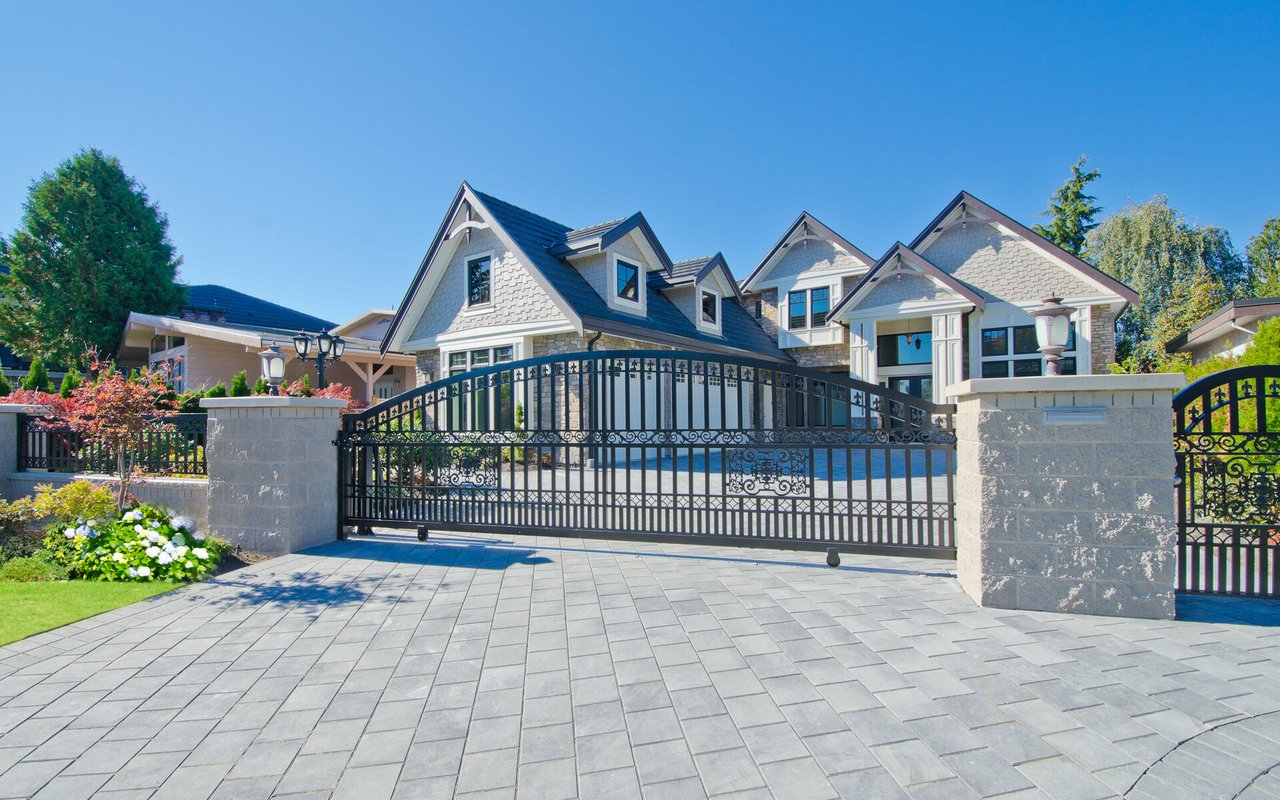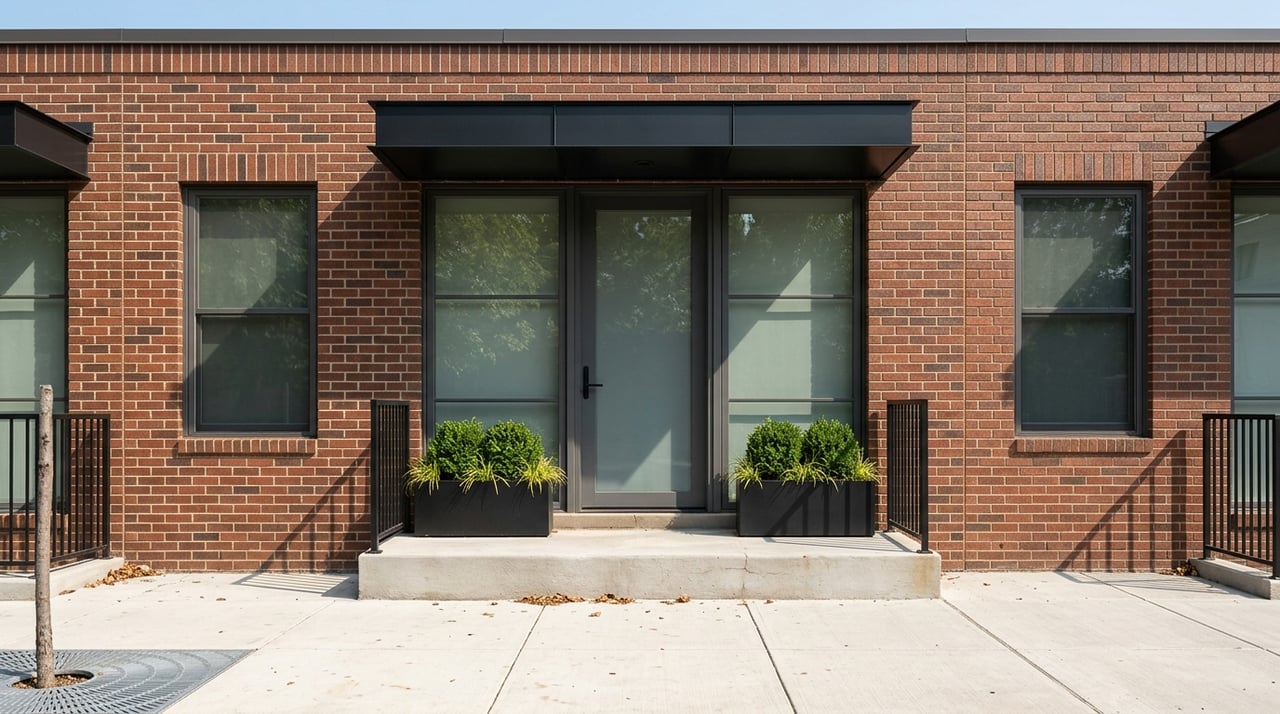
Picture this: you step outside your front door in downtown Winston-Salem and your coffee stop, dinner plans, green space, and evening entertainment are all a short walk away. If you are drawn to a lifestyle with less time in the car and more time enjoying the city, downtown offers a practical version of that idea. Here is what walkable living really looks like in Downtown Winston-Salem, and how to decide if it fits the way you want to live. Let’s dive in.
Downtown Winston-Salem Feels Compact by Design
Downtown Winston-Salem is not just a collection of buildings in the city center. The city’s 2023 downtown plan describes it as a compact urban area with eight districts, including four core destination districts, built around pedestrian connection, housing variety, public art, dining, and micro-mobility.
That matters because walkability depends on proximity. In downtown Winston-Salem, many of the places you may want to visit throughout the week are close enough together that daily routines can happen on foot, not just special outings.
Walkable Living Means Daily Convenience
For most people, walkable living is less about never using a car and more about having options. Downtown Winston-Salem fits that idea well because restaurants, parks, arts venues, and transit are clustered closely enough to support a car-light routine.
You might walk to dinner on Fourth Street, meet friends near Bailey Park, head over to a gallery in the Arts District, and still be home without needing to drive. That kind of convenience is the real value of downtown living.
Dining Is Easy to Reach
Downtown dining is concentrated enough that you can move from one spot to another on foot. Fourth Street Restaurant Row runs through the center of downtown, and nearby options in the Arts District and Industry Hill add cafés, patios, pizza, soul food, fine dining, and bars.
In the Innovation Quarter, many dining options are within a block or two of Bailey Park. If you enjoy having choices without planning a full trip across town, that setup can make everyday living feel simpler.
Arts and Entertainment Are Part of the Routine
One of the biggest lifestyle benefits of downtown Winston-Salem is how easy it is to experience the arts as part of your normal week. The Downtown Arts District covers a few blocks along Trade and Liberty Streets between Fifth and Ninth Streets, with galleries, studios, shops, eateries, murals, music halls, and a theater.
Events like Art Hop and Art Crush add to that energy, while places like ARTivity on the Green make public art something you can experience while walking through the district. In other words, the arts scene is not tucked away. It is woven into the downtown environment.
Parks Add Breathing Room
Walkable living works better when there are places to pause, gather, or spend time outdoors. Downtown Winston-Salem offers that balance with urban green spaces that support both routine and recreation.
Bailey Park is a 1.6-acre downtown green space known for yoga, film screenings, food trucks, festivals, a covered stage, and free Wi-Fi. Merschel Park serves as a pedestrian connection between commercial and institutional areas, and the Strollway links Fourth Street with Old Salem and Salem Avenue.
Getting Around Without Relying on a Car
Downtown Winston-Salem is best described as car-light friendly. You may still want a car for some errands or trips outside the city center, but many residents can reduce how often they drive because key destinations are so close together.
That flexibility is one of downtown’s strengths. You are not forced into one way of getting around.
Transit Supports a Car-Light Routine
Winston-Salem Transit Authority provides fixed-route bus service, paratransit, and ADA assistance. Operating hours are Monday through Friday from 5:00 a.m. to 11:00 p.m., Saturday from 6:00 a.m. to 11:00 p.m., and Sunday from 7:00 a.m. to 6:30 p.m.
The Clark Campbell Transportation Center is located at 100 W. 5th Street, and the Innovation Quarter is about three blocks away. For residents who want to mix walking with transit, that is a practical piece of the downtown lifestyle.
Trails and Micro-Mobility Expand Your Range
Walkability in downtown Winston-Salem is not limited to sidewalks. The Long Branch Trail adds another layer of movement through the city and connects several downtown destinations, including Bailey Park and points near Fourth, Fifth, and Seventh Streets.
If you like the idea of walking some days and biking others, this kind of connection can make downtown feel more usable. Innovation Quarter also includes bike stations, parking decks, street parking, EV charging, and pay-by-phone parking, which supports a flexible, everyday routine.
Downtown Housing Comes in More Than One Style
A common myth about downtown living is that your only option is a loft. In Winston-Salem, the housing mix is broader than that.
The city’s downtown plan calls for housing variety and points to urban housing types that can include high-rise homes, townhomes, and single-family homes suited to a downtown environment. That gives buyers and renters more than one way to enjoy a walkable lifestyle.
Adaptive Reuse Gives Downtown Its Character
One of downtown Winston-Salem’s strongest housing stories is adaptive reuse. In the Innovation Quarter, examples include Albert Hall, Gallery Lofts, Piedmont Leaf Lofts, Winston Factory Lofts, and the Residences at the R.J. Reynolds Building.
These properties help define downtown living with features such as historic character, exposed brick, rooftop terraces, garage parking, fitness rooms, and ground-floor retail. They also show how downtown blends older industrial architecture with updated urban convenience.
Ownership and Rental Options Both Exist
Downtown is not just a rental market. Piedmont Leaf Lofts are offered as an ownership option, which shows that condo and condo-style living are part of the mix alongside apartments and lofts.
That is useful if you love the downtown lifestyle and want to plant roots instead of leasing. It also means buyers can explore urban living in a way that aligns with their long-term plans.
Who Downtown Walkable Living Fits Best
Walkable living is not one-size-fits-all. It tends to work best if you value convenience, enjoy being close to restaurants and events, and like the energy of a mixed-use urban setting.
You may be a strong fit for downtown Winston-Salem if you want to simplify your day-to-day routine. Being able to step outside and reach dining, parks, trails, arts spaces, and transit within minutes can change how you spend your time.
What to Consider Before You Move Downtown
The biggest mindset shift is understanding that downtown living is about proximity and flexibility, not perfection. You may still drive sometimes, use parking decks, or rely on a car for destinations beyond the center city.
But if your goal is to drive less, walk more, and enjoy a lifestyle where entertainment and essentials feel close at hand, downtown Winston-Salem offers a compelling setup. The combination of mixed-use districts, housing variety, green space, and transit access makes that lifestyle realistic for many buyers and renters.
If you are exploring whether downtown Winston-Salem fits your lifestyle goals, Gray France Realty Group can help you compare neighborhoods, building types, and ownership options with local insight that keeps your search practical and focused. Buy with Confidence. Sell with Strategy. Invest with Insight. Connect with Gray France Realty Group.
FAQs
What does walkable living in Downtown Winston-Salem actually mean?
- In Downtown Winston-Salem, walkable living means many daily activities like dining, visiting parks, enjoying arts venues, and accessing transit can happen within a compact area on foot.
Is Downtown Winston-Salem completely car-free for residents?
- No. Downtown Winston-Salem is better described as car-light friendly, meaning you may be able to drive less often while still having access to parking, transit, and other transportation options.
What housing types are available in Downtown Winston-Salem?
- Downtown Winston-Salem includes more than lofts, with housing options that can include renovated historic lofts, modern apartments, condo-style ownership opportunities, and other urban housing types such as townhomes and high-rise homes.
What areas support a walkable lifestyle in Downtown Winston-Salem?
- Key walkable areas include Fourth Street, the Downtown Arts District, and the Innovation Quarter, where dining, parks, arts spaces, and housing are located close together.
How does transit support downtown living in Winston-Salem?
- WSTA provides fixed-route bus service, paratransit, and ADA assistance, and the Clark Campbell Transportation Center on West 5th Street helps support a car-light routine for downtown residents.