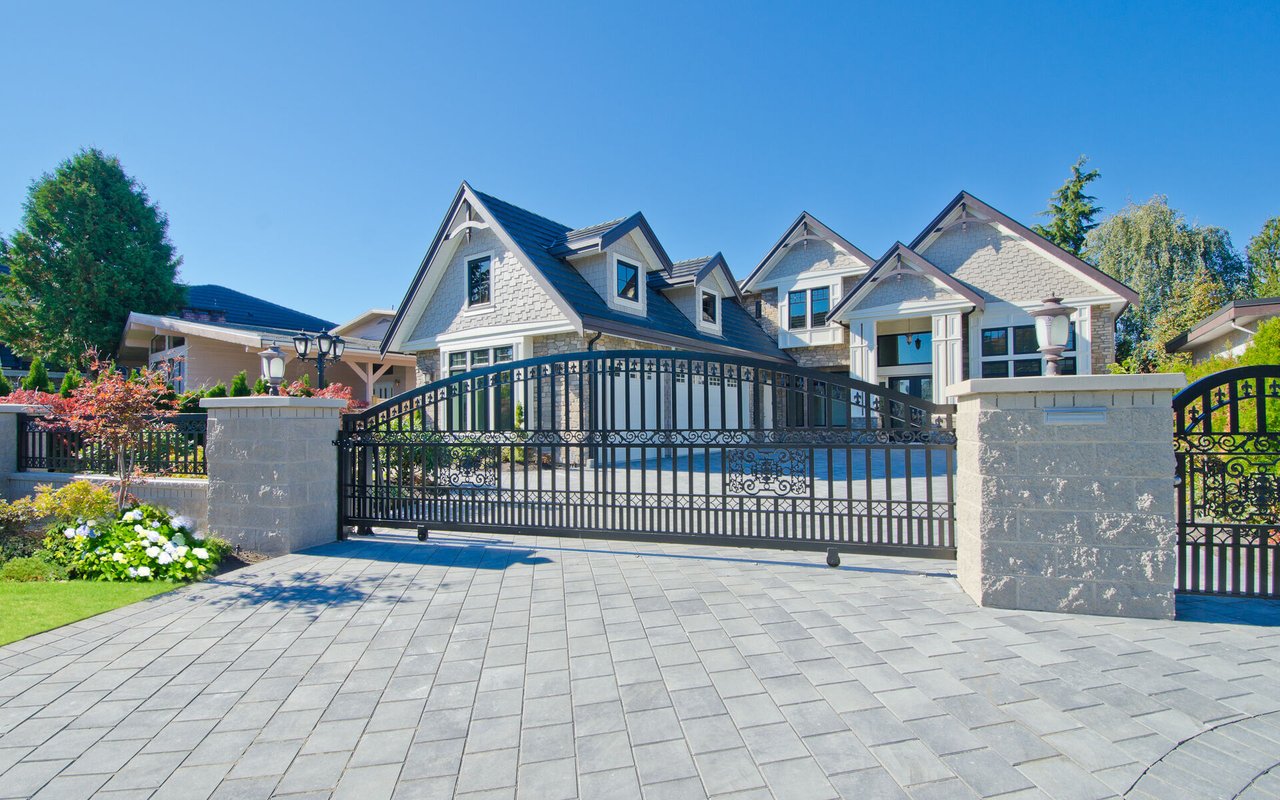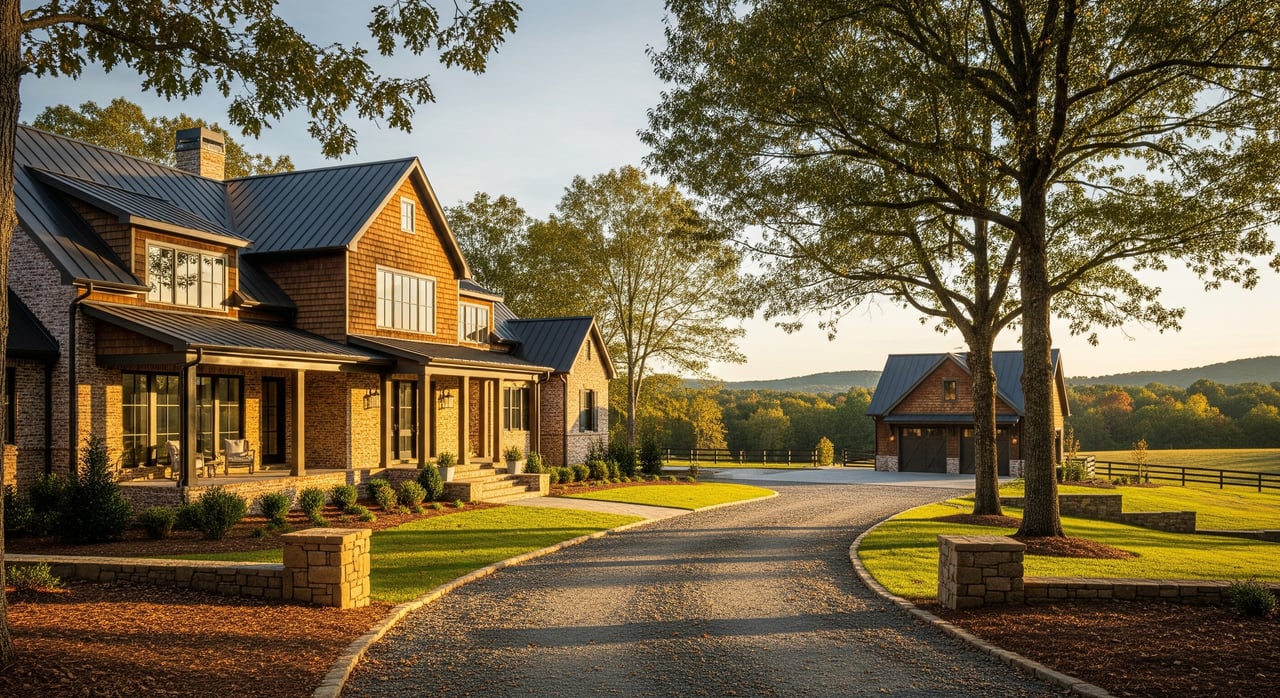
Are you picturing a peaceful Pfafftown home with room for a workshop, or do you prefer a tidy neighborhood where standards stay consistent? In Pfafftown, you will find both HOA and non‑HOA options, each with clear tradeoffs. Understanding the costs, rules, maintenance responsibilities, and flexibility will help you choose the right fit for your lifestyle and budget. This guide breaks down how HOAs work, what you can expect locally, and the due diligence that protects your purchase. Let’s dive in.
Pfafftown housing at a glance
Pfafftown sits in northwest Forsyth County and blends rural character with suburban convenience. You will see older farm parcels, larger lots, and newer subdivisions. That mix means you can shop both HOA neighborhoods and non‑HOA properties in the same search radius.
Because the area includes private and public roads, wells and septic systems, and a range of lot sizes, the details matter. The right choice comes down to how much flexibility you want, what chores you are willing to handle, and how you value shared standards and amenities.
How HOAs work
An HOA is a private organization formed to manage common areas and uphold community standards. When you buy into an HOA, you agree to follow its governing documents and pay assessments.
Governing documents to review
Before you commit, request and read the full set of documents. These define what you can do with the property and what it will cost.
- Declaration of Covenants, Conditions & Restrictions (CC&Rs) or Declaration
- Bylaws and Rules & Regulations
- Architectural Guidelines or ARC standards
- Articles of Incorporation (if applicable)
- Current annual budget, reserve study, and recent financial statements
- Recent meeting minutes and any management contract
- Insurance certificate for the master policy
- Estoppel or resale certificate showing dues, assessments, violations, and balances
Boards, operations, and enforcement
HOAs are run by an elected board of directors. Boards set policies, manage vendors, maintain shared areas, and enforce the rules. Some HOAs are self‑managed by volunteers, while others hire a management company.
Typical enforcement tools include warnings, fines, suspension of amenities, and collection procedures for unpaid assessments that can lead to liens. The scope of these powers is defined in the governing documents and state law. If you have legal questions, consult a local attorney familiar with North Carolina HOA law.
HOA living in Pfafftown: What to expect
HOA neighborhoods in Pfafftown can be modest or full of amenities. Your experience depends on the services provided and the clarity of the rules.
Dues and assessments
There is no single “typical” fee. Smaller HOAs that handle basic landscaping for entrances or street lighting usually have lower dues. Communities with pools, clubhouses, gates, or private road maintenance often charge more. Some HOAs levy special assessments for big projects like road repaving or to cover reserve shortfalls.
To confirm costs, ask for the current budget, a schedule of assessments, a history of special assessments, and an estoppel or resale certificate that shows any outstanding balances. This paperwork gives you a true picture of ongoing costs.
Common rules in local subdivisions
Rules vary, but many Pfafftown‑area HOAs regulate appearance, parking, and use. Expect some version of the following:
- Architectural controls: exterior paint colors, additions, decks, sheds, carports, and fences may require ARC approval
- Yard care and upkeep: mowing, weed control, and trash can storage standards
- Parking and vehicles: limits on RVs, boats, trailers, commercial vehicles, or inoperable cars, plus street parking rules in narrow or private roads
- Accessory uses: restrictions on outbuildings, home businesses, or livestock; rural allowances are often tighter inside subdivisions
- Signs and flags: rules on political or for‑sale signage
- Rental policies: limits on short‑term rentals or minimum lease terms
- Pets and nuisance: leash rules, pickup requirements, and quiet hours
If you want to build a workshop, add fencing, keep animals, or store equipment, review the ARC guidelines and CC&Rs in detail. Approval timelines and standards can vary by community.
Non‑HOA living: What to expect
Outside of HOAs, you often gain flexibility. Many non‑HOA properties in Pfafftown sit on larger lots and may allow more accessory structures or agricultural uses, subject to Forsyth County zoning and permits.
With that freedom comes responsibility. You will not pay HOA dues, but you also will not have a board enforcing neighbor maintenance standards. If roads are private without a formal association, owners may share costs informally for repairs. Larger parcels may rely on private wells and septic systems, which require proper maintenance and occasional permitting through the county.
Lifestyle tradeoffs to weigh
Choosing between HOA and non‑HOA living is about what you value most day to day.
- HOA benefits: consistent curb appeal, shared amenities, managed common areas, and enforcement of standards that can protect neighborhood character
- HOA drawbacks: ongoing dues, potential special assessments, design and use restrictions, and the possibility of disputes or fines
- Non‑HOA benefits: greater freedom to add outbuildings, park equipment, keep animals, or run home‑based projects within county rules
- Non‑HOA drawbacks: fewer protections against nearby neglect, potential informal road sharing, and more personal responsibility for maintenance
If you want predictability and community amenities, an HOA can fit well. If you prioritize space and flexibility, a non‑HOA property may better suit your plans.
Roads, utilities, and land use details
In Pfafftown, road type, utilities, and land use often drive your total cost and day‑to‑day experience.
- Road ownership: Some subdivisions have private roads maintained by the HOA; others have public roads maintained by the county. Confirm road ownership on the recorded plat or deed and ask who pays for maintenance.
- Wells and septic: Many larger or rural lots rely on private wells and septic systems. Understand permit status, system age, and any recent repairs. Budget for inspections and potential upgrades.
- Setbacks and fencing: Verify setbacks on recorded plats and check fence style and placement rules if an HOA is involved. Even non‑HOA properties must comply with county zoning and permits.
- Outbuildings and animals: Rural parcels may permit barns, workshops, or limited livestock, while subdivision CC&Rs may prohibit or restrict them. Always cross‑check zoning and any recorded covenants.
Financing, insurance, and resale
Financing and insurance requirements can differ slightly between HOA and non‑HOA properties.
- Financing: For single‑family homes in an HOA, standard mortgages are usually available. Lenders may review HOA budgets, delinquencies, and litigation. High delinquency levels or large special assessments can complicate underwriting.
- Insurance: HOAs typically insure common areas, but you still insure your home. For townhome or row‑style communities, confirm what the HOA policy covers versus your responsibility. For rural properties, make sure your policy addresses wells, septic systems, outbuildings, and any equipment or liability concerns.
- Resale: HOA neighborhoods can attract buyers who value uniform standards and amenities. Non‑HOA properties can draw buyers seeking privacy, land, or agricultural uses. Your ideal buyer pool depends on how the property’s features align with those preferences.
Buyer due diligence checklist
Protect yourself with a thorough review before you close. Use this checklist to confirm costs, rules, and responsibilities.
- Confirm whether the property is in an HOA and get contact information for the board or manager
- Obtain and read the CC&Rs, Bylaws, Rules & Regulations, and ARC guidelines
- Review the current budget, reserves, financial statements, and recent meeting minutes
- Request an estoppel or resale certificate detailing dues, assessments, balances, and any violations
- Ask about special assessments over the last 5 to 10 years and any planned projects
- Verify whether roads are private or public, and how maintenance is funded
- Confirm rental and short‑term rental policies if that is part of your plan
- Review the HOA’s insurance certificate and clarify owner versus HOA responsibilities
- Ask about ARC approval timelines and typical requirements for fences, sheds, or additions
- Check the percentage of owners delinquent on dues
- For non‑HOA properties, verify wells, septic permits, and any shared road agreements
When an HOA fits, and when it does not
Consider your must‑haves and nice‑to‑haves. A few quick scenarios can help you decide.
- HOA may fit you if: you want a neighborhood with consistent curb appeal, prefer common areas to be professionally managed, enjoy amenities like a pool or clubhouse, and do not plan to add large outbuildings or keep animals.
- Non‑HOA may fit you if: you want room for a workshop or barn, may park a boat or RV at home, plan to keep animals, or just prefer fewer aesthetic restrictions and no recurring HOA dues.
There is no right or wrong choice. It is about matching the property’s rules and responsibilities to the way you live.
How we help you choose with clarity
You deserve a clear path to the right Pfafftown property. Our team helps you compare HOA and non‑HOA options side by side, review documents, and understand what the rules and costs mean for your plans. We also know where to verify details like road ownership, recorded covenants, and permits so you can move forward with confidence.
Whether you are buying your first home, upsizing for more space, or targeting an acreage with room for projects, we combine local insight with practical, step‑by‑step guidance.
Ready to find your fit in Pfafftown? Connect with the team at Gray France Realty Group to compare options, review documents, and craft a smart offer.
FAQs
What are typical HOA fees in Pfafftown?
- Fees vary widely based on services and amenities, so request the current budget, assessment schedule, and an estoppel or resale certificate to confirm exact costs.
Can I build a workshop or barn in an HOA neighborhood?
- Possibly, but many HOAs require ARC approval or limit outbuildings; review CC&Rs and guidelines, and confirm Forsyth County zoning and permit rules.
Who maintains subdivision roads in Pfafftown?
- It depends; some are private and maintained by the HOA, while others are public and county‑maintained, so verify road ownership on recorded plats and ask who pays for upkeep.
Will an HOA affect my single‑family mortgage approval?
- Standard mortgages are usually available, but lenders review HOA finances, delinquencies, and litigation, and large special assessments can complicate underwriting.
How do I confirm if a home is in an HOA?
- Ask the listing agent, request the HOA contact, and review recorded covenants and the estoppel or resale certificate for dues, assessments, and any violations.
Are short‑term rentals allowed in Pfafftown HOAs?
- Policies vary; some HOAs limit or prohibit short‑term rentals, so read the CC&Rs and Rules & Regulations and confirm any minimum lease terms.