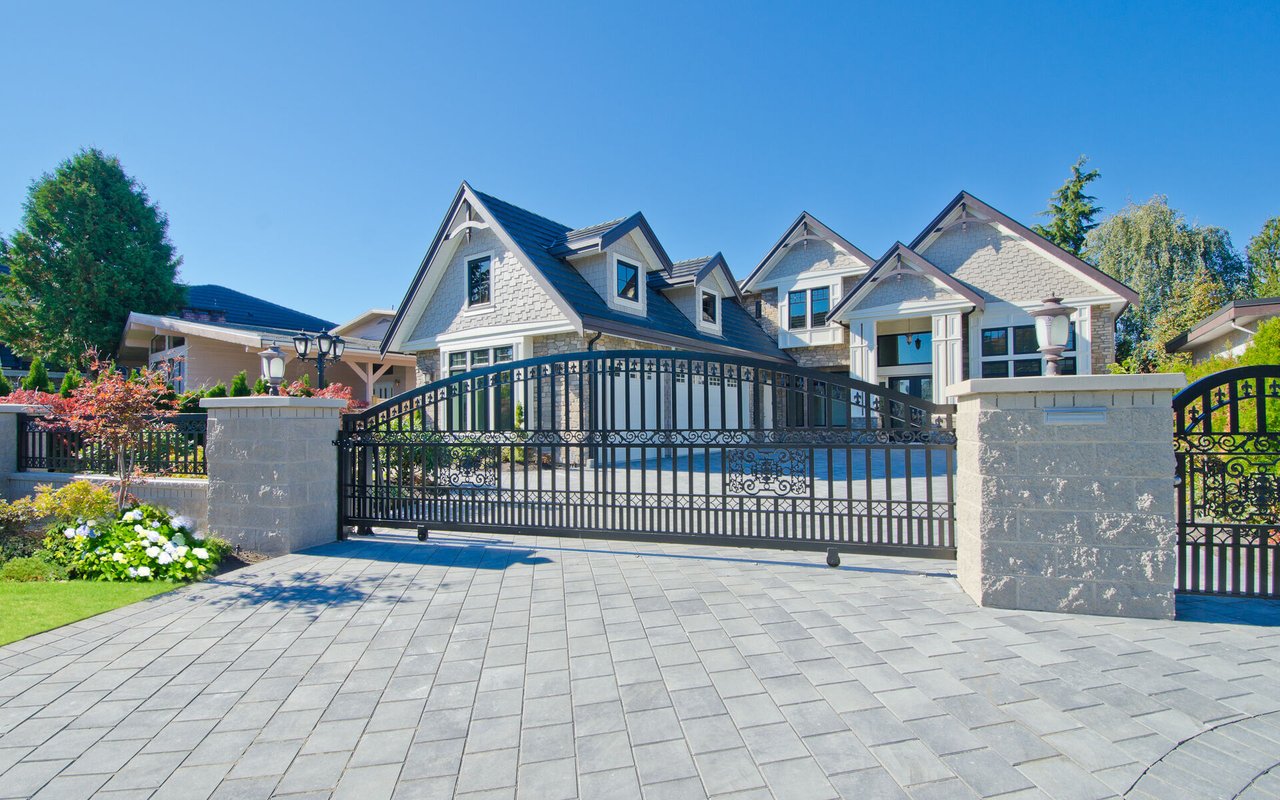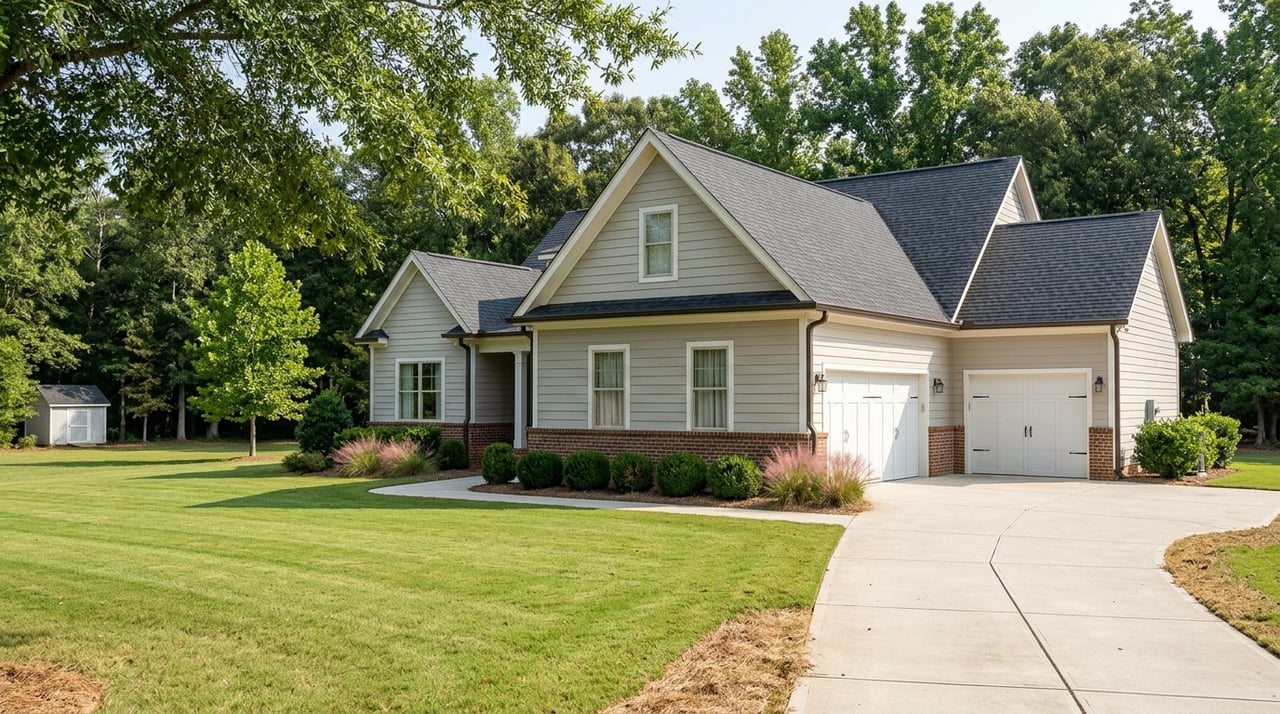
Thinking about buying a home with land in Walkertown? It can be an exciting move, but it also comes with more moving parts than a typical subdivision search. If you want extra space for privacy, outbuildings, or a more rural feel, you need to understand how Walkertown’s mix of town and county rules can affect what you buy. This guide will help you understand what to look for, what questions to ask, and how to shop with more confidence. Let’s dive in.
Why Walkertown appeals to land buyers
Walkertown stands out because it blends low-density housing, agricultural parcels, and undeveloped land within a broader area that also connects to key roads like NC 66 and US 158. The official area plan covers about 12,000 acres, with roughly 40% inside town limits and the rest under Forsyth County zoning and planning jurisdiction. That creates a market where you can find a more open, semi-rural setting without feeling cut off from the Winston-Salem corridor.
For many buyers, that balance is the draw. You may be looking for room to spread out, but you still want practical access for commuting, shopping, and daily routines. In Walkertown, that combination is a real part of the market structure, not just a marketing phrase.
What “homes with land” means here
In Walkertown, homes with land can mean very different things. Current listing samples show parcels as small as 0.61, 0.63, 0.799, 1.21, and 2.15 acres, along with much larger tracts of 4.31, 6.74, 10.74, and even 67.62 acres. So when you search for acreage, you could be looking at anything from a manageable homesite to a true rural estate parcel.
That range matters because the shopping process changes with the size and condition of the property. A smaller lot near established development may be easier to understand and maintain, while a larger tract may require much more research into access, utilities, grading, and permitted use. Two properties may both say “land,” but they may not offer the same day-to-day experience.
Common property features you may see
Current listing samples in Walkertown often mention features like:
- Open space
- Public road frontage
- Private lots
- No HOA
- Public water and sewer on some parcels
- Wooded land
- Pasture land
- Build-ready notes like a completed soil test or constructed pad
Some rural-style listings also mention barns, fencing, horses allowed, and pasture use. That tells you the market includes more than standard residential lots. Depending on the parcel, you may be looking at a property suited for a simple homesite, a hobby-farm setup, or a larger project.
Start with jurisdiction and zoning
One of the first things to confirm is whether a property is inside Walkertown’s corporate limits or under Forsyth County jurisdiction. That matters because the broader Walkertown planning area includes land governed by different rules. You do not want to assume a town mailing address tells you everything you need to know.
Within town limits, Walkertown’s unified development ordinance applies. The town includes zoning districts such as RS-20 and RS-40, and those designations can affect lot expectations and utility assumptions. RS-40 is intended for larger lots in areas without public water and sewer, while RS-20 is tied to suburban development with public water availability.
That distinction can shape what you can build, add, or potentially subdivide. Current property records in Walkertown show both RS20 and RS40 designations, so it is important to verify the exact zoning on the parcel you are considering. Small differences on paper can have a big effect on how the property works for you.
Do not assume utility access
This is one of the biggest issues for Walkertown acreage buyers. A town address does not automatically mean the home uses municipal water and sewer. Current property records show that some Walkertown parcels, including RS40 properties, rely on well and septic, while other listings advertise public water and sewer.
That means utility status needs to be confirmed early. If a property uses private systems, you need a different level of due diligence than you would for a home connected to public utilities. It is much better to learn that up front than after you have emotionally committed to the property.
What to know about wells
Forsyth County says a well construction permit application is required for private wells, and the permit is issued on-site. Water sampling happens after the well passes inspection. State standards also require a single-family well to be at least 100 feet from a septic tank and drainfield, and the well should not be located in an area generally subject to flooding.
Those details matter because placement is not arbitrary. If you are buying vacant land or a property that needs system updates, well location can affect site planning. On acreage, especially, the usable layout of the land matters just as much as the total number of acres.
What to know about septic systems
Forsyth County’s owner guide says conventional septic systems are common in rural or large-lot settings. The county also notes that systems should be pumped and inspected every 3 to 5 years. In addition, septic systems have a legally protected repair area that should not be disturbed by building or excavation.
This is easy to overlook when you fall in love with open land. That future repair area can affect where you place additions, garages, patios, pools, or other site improvements. If you are buying for flexibility, septic layout is part of the flexibility conversation.
Watch for watershed and flood-related issues
With homes on larger lots, environmental overlays can become more important. Walkertown’s environmental ordinance applies to areas in Forsyth County and Walkertown that are designated public water supply watersheds. North Carolina DEQ notes that local governments maintain watershed maps and rules, so buyers should verify whether a parcel is affected.
Flood risk also deserves close attention. In the local hazard plan, portions of Lowery Mill Creek, Martin Mill Creek, Frazier Creek, Mill Creek, Belews Creek, and West Belews Creek are identified as flood-prone. If a property sits near one of these drainage corridors, it is wise to confirm floodplain status, drainage patterns, and elevation before moving forward.
Why creek proximity needs extra review
Creek frontage or nearby water can sound appealing, but it can also limit how you use the property. The same areas that support a rural feel may bring more questions about drainage and buildable space. If you are shopping near Belews Creek or West Belews Creek, extra verification is a smart step, not an optional one.
What tends to hold resale value better
Not all acreage properties are equally easy to resell. Based on current listing patterns, the properties that are usually simplest to market are the ones with clear lot size, clear access, ordinary zoning, and known utility status. Listings often highlight public road frontage, no HOA, public water and sewer, or build-ready conditions because those details reduce buyer uncertainty.
On the other hand, highly specialized tracts or properties with unknown well and septic status may appeal to a narrower pool of buyers. That does not make them bad purchases. It just means your future resale strategy should match the property type you choose.
Simpler usually means easier to explain
If you plan to live on the property for years, resale may feel far away. Still, it is smart to think ahead. A property with straightforward access, documented utility setup, and easy-to-understand zoning often gives you more flexibility later.
How location within Walkertown changes the search
Walkertown is not one uniform market. The area plan points to commercial development concentrated along NC 66 and US 158, with the highest-intensity mixed use recommended around the US 158 and NC 66 activity center. That means some areas feel more connected to established corridors, while others lean more rural.
This difference affects what you are likely to see in the market. Near established roads and neighborhoods, you may find smaller lots with easier utility access and a simpler purchase process. Toward the edges, larger tracts may offer more privacy and rural features, but they usually require more research.
A practical checklist before you make an offer
If you are buying a home with land in Walkertown, start with a property-specific checklist. A careful review early on can save you time, money, and stress later.
Before you move forward, confirm:
- Whether the parcel is inside town limits or under county jurisdiction
- The exact zoning designation, such as RS20 or RS40 if applicable
- Whether the property uses public water and sewer or private well and septic
- Whether road frontage and access are clearly documented
- Whether any watershed rules apply
- Whether the parcel is near a flood-prone creek or drainage corridor
- Whether there are restrictions or site limitations affecting additions or outbuildings
For larger or more rural properties, these items are not minor details. They are part of understanding what you are really buying.
Why local guidance matters on acreage purchases
Acreage purchases usually involve more than price and square footage. You are also evaluating land use, utility setup, access, environmental factors, and future resale appeal. In a place like Walkertown, where the market spans both suburban and rural patterns, those details can change quickly from one property to the next.
That is why local, property-level guidance matters. The right support can help you sort through the practical questions early, narrow down the best-fit options, and move forward with a clearer plan. If you are considering a home with land in Walkertown, Gray France Realty Group can help you buy with confidence, sell with strategy, and invest with insight.
FAQs
What kinds of lot sizes can you find in Walkertown homes with land?
- Current listing samples show everything from lots under 1 acre to larger tracts over 10 acres, including parcels as large as 67.62 acres.
What should you verify first when buying land in Walkertown?
- Start by confirming whether the parcel is inside Walkertown town limits or under Forsyth County jurisdiction, because zoning and development rules can differ.
Do Walkertown homes with land always have public water and sewer?
- No. Some properties advertise public water and sewer, while others rely on private well and septic, so utility status should always be confirmed.
What zoning details matter for Walkertown acreage properties?
- Within town limits, buyers should verify the specific zoning district, such as RS-20 or RS-40, because those designations can affect lot expectations and utility assumptions.
What flood concerns should buyers check in Walkertown?
- Buyers should review floodplain and drainage conditions carefully, especially near Lowery Mill Creek, Martin Mill Creek, Frazier Creek, Mill Creek, Belews Creek, and West Belews Creek.
Are rural features like barns or pasture common in Walkertown listings?
- Some current rural-style listings mention barns, fencing, horses allowed, and pasture land, showing that these property types are part of the local market.